
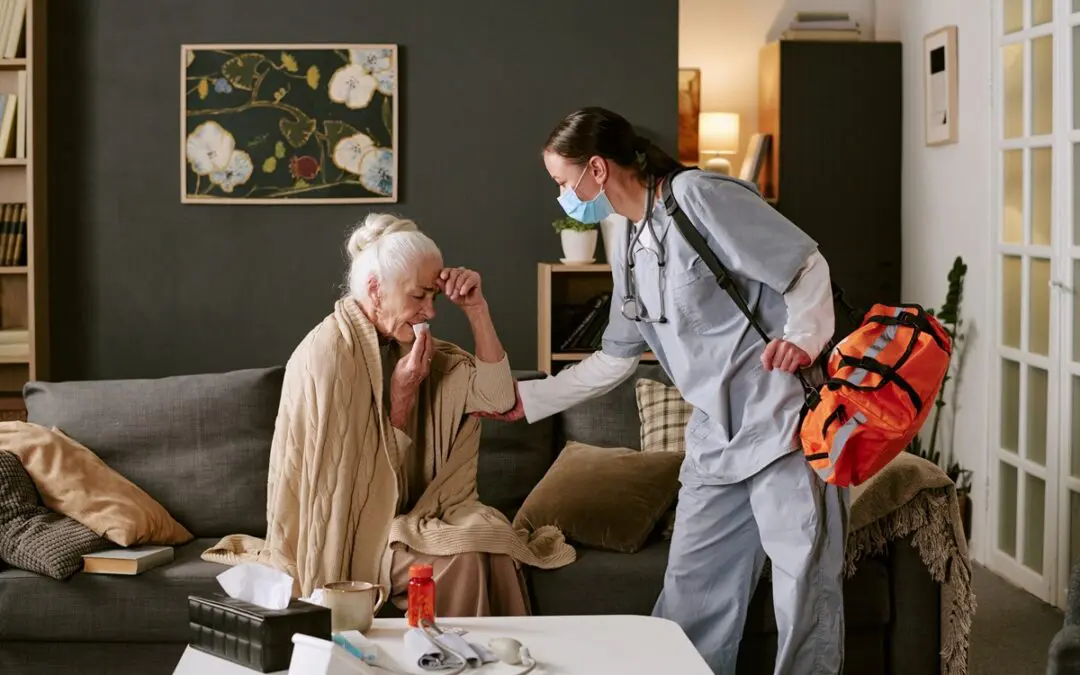
To manage medical emergencies, senior living communities follow a well-planned strategy to keep residents safe and supported. Medical emergency preparedness is essential because many older adults live with chronic illness, limited mobility, or sudden health changes and are prone to medical emergencies. Senior living communities provide a safe environment and a quick emergency response. This gives families peace of mind, knowing that trained personnel are always close by. In this blog, we will talk about how senior living communities handle emergencies, including medical issues and unexpected situations. By understanding their process, training, and tools, families can feel more confident about their choice.
1. Experienced and Well-Trained Medical Caregivers
Senior living communities have trained medical professionals and caregivers who know how to respond in an emergency. These teams often include nurses, medical technicians, and trained caregivers who are on-site daily. They are trained in emergency first aid, CPR, and basic life-saving skills. Caregivers are trained to stay calm and act quickly in emergencies. This is very important because panic can make things worse. Most staff receive regular training updates so they stay prepared. They are available 24/7, so help is always nearby.
2. Immediate Response System
Senior living communities focus a lot on fast response. They use different emergency response systems to make sure residents can get help quickly. Many communities have wearable alert devices, such as wristbands or pendants, that residents can press if they feel unwell or have fallen. There are also wall-mounted emergency buttons in rooms and bathrooms. Some communities use sensors and detectors to notice movement or accidents. Staff are always on-site and respond right away when an alert is received. They provide immediate first aid and basic care until more medical help arrives. Many communities also have direct connections to nearby hospitals and emergency services. This helps in faster transfer if higher care is needed.
3. Availability of Medical Equipment and Resources
Senior living communities keep important medical equipment ready for emergency use. These tools help staff manage situations before outside medical help arrives. Some standard equipment includes first-aid kits for cuts, burns, and minor injuries; emergency medications for sudden health issues; AED machines for heart-related emergencies; and oxygen support and monitoring tools. Having these resources on-site can significantly help in an emergency.
4. Emergency Drills and Protocols
Emergency drills are practiced regularly in senior living communities. These drills help staff remember what to do during a real emergency. They practice for medical emergencies, fires, weather-related issues, and power outages. During an emergency drill, staff follow the protocols and steps for responding when an emergency arises. This makes sure everyone does the right thing without confusion. Even new staff learn these rules during training. Practicing drills helps reduce mistakes and improve response time. It also allows residents to feel safer knowing that a plan is in place.
5. Working Closely with Local Healthcare Providers
Senior living communities do not operate in isolation. They build strong relationships with local healthcare providers, clinics, and hospitals. This teamwork enables better, faster care during an emergency. If the resident needs hospital care, staff already know where to send them and who to contact. Medical records are often shared with permission, which helps doctors quickly understand the resident’s condition. This coordination saves time and reduces stress for both the resident and the family.
6. Specialized Care for Chronic Conditions
Many residents have chronic conditions like diabetes, heart disease, or breathing problems. Senior living communities are prepared to manage these conditions daily and during an emergency. Staff monitor health signs and notice changes early. This helps prevent emergencies before they get serious. Medication schedules are followed carefully, and residents are supported with daily care needs. During an emergency, staff already know the resident’s medical history, which helps ensure the proper care is provided quickly.
7. Psychological and Emotional Support During an Emergency
An emergency can have a serious emotional impact on older adults, leading to panic. Senior living communities understand this and provide emotional support along with medical care. Caregivers talk calmly, explain what is happening, and stay close to comfort the resident. After the emergency, staff continue to check on the emotional well-being of those affected. They help residents feel safe again and reduce fear. This emotional care enhances recovery and builds trust.
8. Family Communication During Emergency
Families are notified promptly during an emergency. Senior living communities have a clear process for contacting family members. They explain what happened and the next steps calmly and compassionately. This open communication helps families feel involved and reassured. Regular updates are shared until the situation is stable. Families appreciate knowing their loved one is not alone and is being properly cared for.
Choose Willow Fall For Trusted Care and Support
At Willow Falls, our top priority is the health and well-being of your loved ones. With a dedicated team of trained staff available 24/7, we are ready to respond quickly and effectively to any medical emergencies. Our comprehensive care includes experienced caregivers and licensed nurses who provide personalized support, along with a reliable emergency alert system to ensure immediate assistance when needed.
We focus on proactive care by offering regular health check-ups and medication management, which help monitor and maintain your loved ones’ health. Our staff is trained to handle emergencies swiftly, ensuring timely intervention to prevent complications. If you are looking for a safe and supportive community that prioritizes reliable care, contact us today to learn more or schedule a visit.